When “Keep Looking” Isn’t the Answer

Updated: May 4
Rethinking help when the options have already been explored
There comes a point in some lives where the issue is no longer finding better options, but learning to live well within the ones that actually exist. That point is rarely recognized. Instead, the response is often the same: Keep looking. Try something new. There has to be another way.
In many lives, that way of thinking is useful. It drives progress. It opens possibilities. But in long-term, high-constraint situations, especially in disability and caregiving, there comes a point where it stops helping.
Not because effort is missing. But because the options have already been explored.
When “Keep Looking” Stops Working
This shift doesn’t happen at the beginning. Early on, searching matters. Exploring options, trying different approaches, following leads is how people learn what is possible. But over time, something changes. The landscape becomes clearer. Not simpler but already known.

And at that point, continued encouragement to “look harder” doesn’t create new possibilities. It pulls people back into questioning and a search they’ve already completed. And in doing so, it quietly erases the work it took to get there.
When Acceptance Is Misread
When someone begins to live within what is actually workable, it is often misunderstood. As giving up. As losing hope. As settling. But something else is happening.
Acceptance, in this context, is not resignation.
It is clarity. It is the shift from searching for what isn’t there to working fully with what is. And that shift creates the conditions for something different to emerge that includes clearer decisions, more sustainable routines, participation that fits real life, a steadier quality of life.
The paradox is this: The more reality is resisted, the harder it becomes to build anything stable within it.
When Help Becomes Friction
When this stage isn’t recognized, help can unintentionally become a barrier. Efforts to reopen possibility, however well-meaning can redirect energy back into paths that have already been exhausted. They can require people to re-explain what has already been worked through. They can create distance between lived reality and external expectations.
What is meant as encouragement becomes one more layer to navigate. Not because the help is wrong in general but because it no longer fits.
When the Framework Doesn’t Fit
This isn’t just a communication issue. It reflects a deeper mismatch. Most systems shaping life for people with disabilities and caregivers are built around a largely unexamined assumption: That a good life moves forward toward increasing independence, productivity, and measurable progress.
Within that framework, effort is expected to accumulate, dependence to decrease, and stability to be temporary. Lives that follow this pattern are easy to recognize. Lives that don’t are harder to interpret.
When a life is unfolding requiring ongoing support while continuing to adapt and participate it does not register as movement. It registers as stagnation.
The issue is not the life itself. The issue is the system used to measure it.
When the System Can’t See the Life
You see this across nearly every system people have to navigate, therapy models built around discharge, insurance tied to measurable progress, caregiving structures designed for short-term need, financial systems that penalize stability.
When independence isn’t increasing, options narrow, not because life has stopped, but because the system no longer knows how to support what it sees. Responsibility shifts back onto individuals to adapt, innovate, and find a way.
But when advice is built on a model that doesn’t apply, it becomes misunderstanding rather than support.
Creativity can help people survive broken systems. It cannot replace systems that were never designed for the lives being lived.
What Actually Helps
At this stage, what becomes useful is not more possibility, but more precision. Recognizing what is actually workable. Supporting participation within real constraints. Building stability from what is already known.
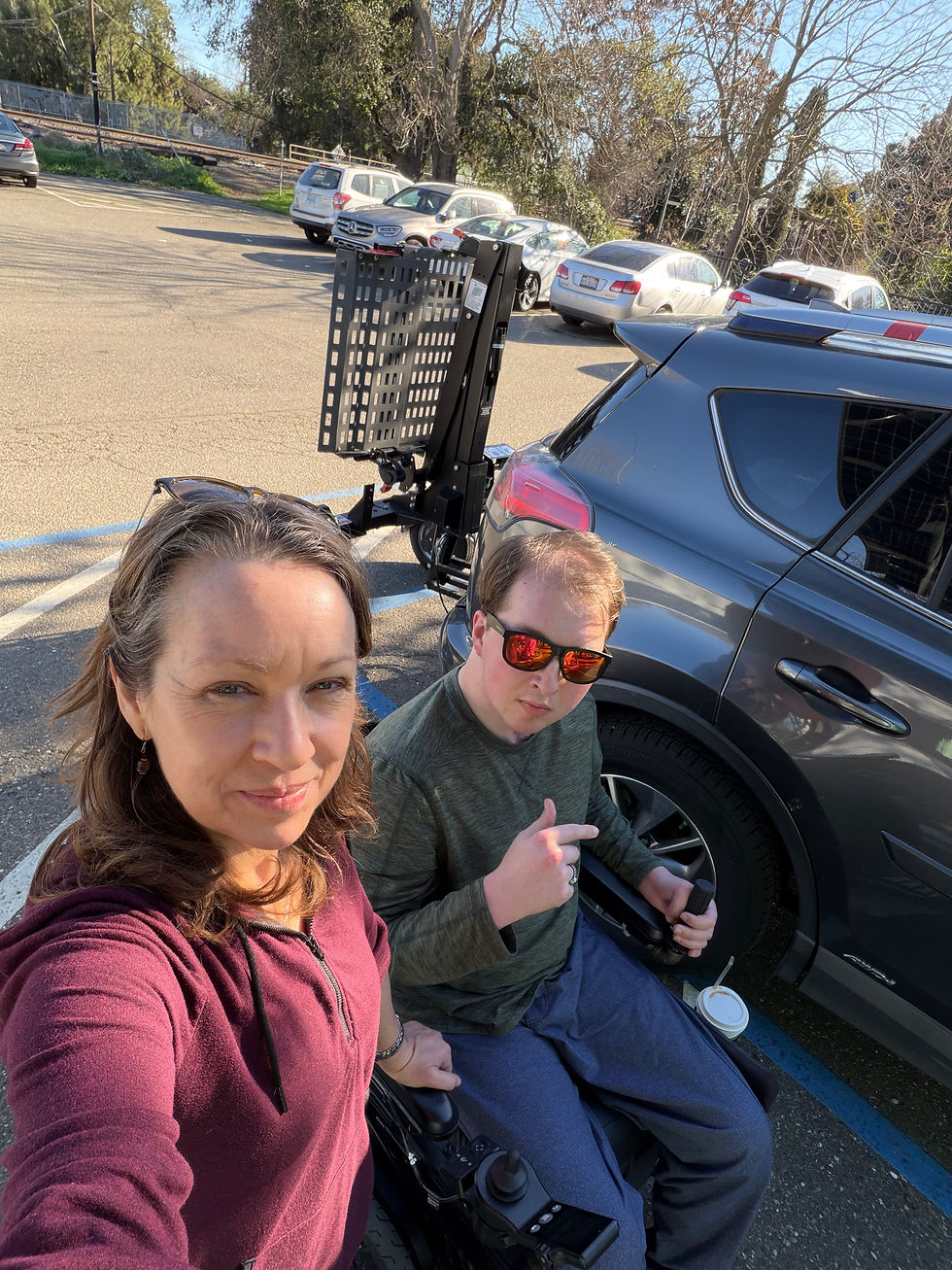
Progress still exists, but it takes a different form. Not expansion into new options, but deeper engagement with existing ones. Not independence as the only outcome, but participation as a way of living.
A Different Kind of Hope
Hope doesn’t disappear here. But it changes. It is no longer: There must be something more I haven’t found yet. It becomes: I am living this life as fully as possible with what is actually available, and building from there.
There remains openness to change, to new possibilities that may emerge over time. But life is no longer placed on hold waiting for them.
What This Requires From Others
For those who want to help, professionals, family members, friends, this distinction matters.
Not every situation is still in the phase of exploration.
Some are in the phase of integration. And the support required is different. Not more ideas. Not more strategies. Not more encouragement to search. But recognition. Alignment with reality. Support for living well within it.
Lives shaped by long-term caregiving and disability are not lacking effort, creativity, or resilience. Often, they have already required more of these than most people realize.
What they need is not to be pushed back into possibility, but to be met, clearly and accurately, in the life that is already being lived.
If this perspective is meaningful to you, you’re welcome to support the work.


Yes, I can relate because of my daughter's chronic illness with no cure and not very good treatment options.